

By James Larson
Climate & Seasonal Patterns in Little Canada
Here in Little Canada, we experience a true four-season climate. Winters bring freezing temperatures, snow, and wind; summers are warm, often humid, and marked by frequent thunderstorms. Monthly highs range from around 24 °F in January to low 80s in July, while lows can dip into single digits during coldest stretches. Humidity peaks in summer, especially July, making nights feel warmer than they are. Spring and fall offer brief periods of milder weather where gardens flourish and the landscape transitions dramatically. These patterns shape everything from what we plant to how we protect our homes against the elements.
Environmental Priorities & Water Health
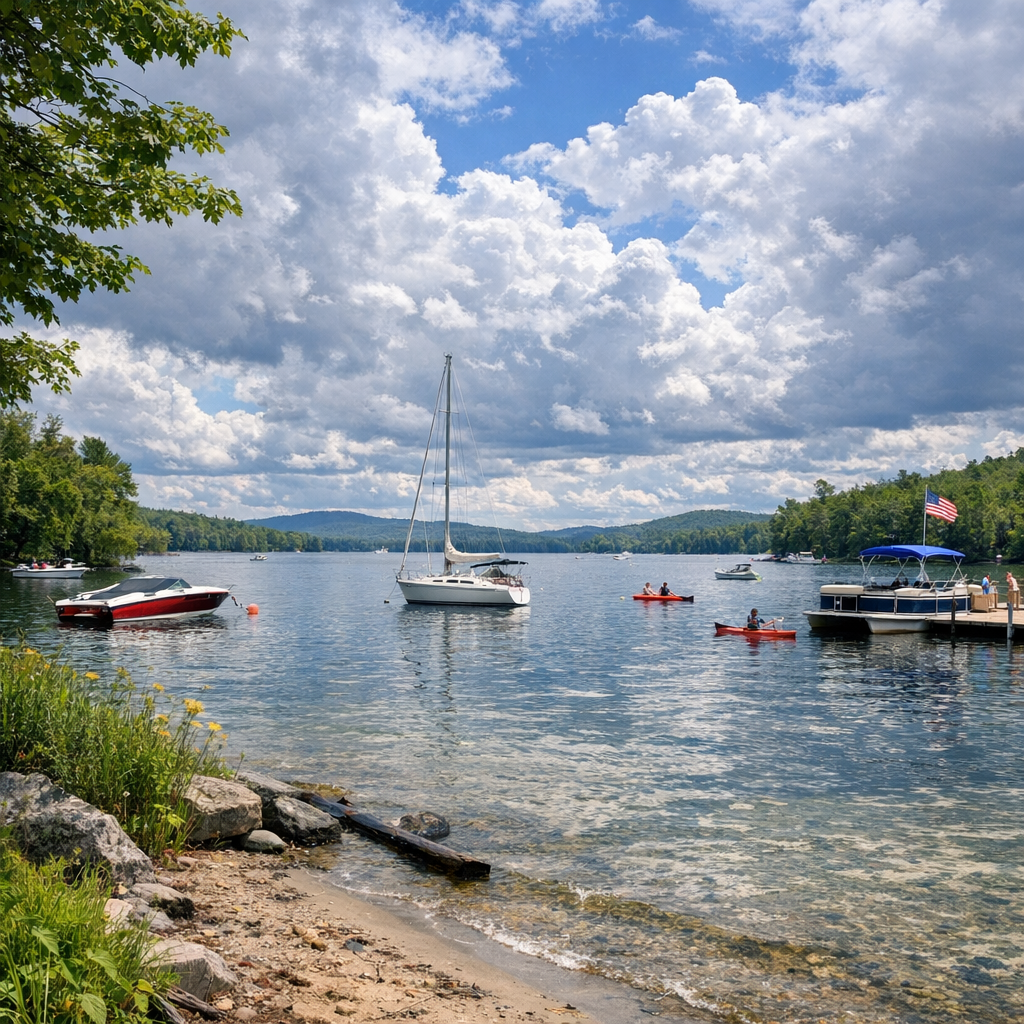
Lakes, rivers, and wetlands are central to life in our area—but they face pressures. Aquatic invasive species like zebra mussels, Eurasian watermilfoil, curlyleaf pondweed, and others threaten native plants and fish by crowding out habitats and altering water quality. Preventing their spread—through cleaning boats, draining bilges, and avoiding transport of infested water—is a priority under state rules.
Water quality overall is improving in many parts of Minnesota. Major rivers and streams are seeing reduced phosphorus and stabilized nitrate levels. However, challenges remain: runoff from lawns, streets, and agriculture carries nutrients and pollutants into waterways, and groundwater contamination issues such as PFAS are still a concern in older landfills and industrial sites.
Adapting To A Changing Climate
Ramsey County—which includes Little Canada—is already observing shifts tied to climate change: winters with more freeze-thaw cycles, summers that get hotter and more humid, more intense storms, and longer allergy seasons. These trends raise concerns for property damage, infrastructure costs, public health (especially among vulnerable populations), and ecological balance.
Locally, there are many ways residents can help:
- Plant native species that are adapted to our changing growing season.
- Support efforts to keep our lakes clean—reduce fertilizer use, pick up pet waste, manage stormwater on your property.
- Stay informed about invasive species rules and inspections for boats and equipment.
- Prepare homes for severe weather: trim trees, protect windows, insulate well, maintain drainage.
Looking Ahead
While many changes are gradual, their impacts accumulate—affecting lakeshore ecosystems, urban tree health, wildlife patterns, and community resilience. Little Canada will likely continue to see shifts in our seasonal textures: shorter, milder winters; more variable spring and fall; and summer extremes. Awareness, community engagement, and thoughtful planning are essential ingredients in weathering these changes together.