

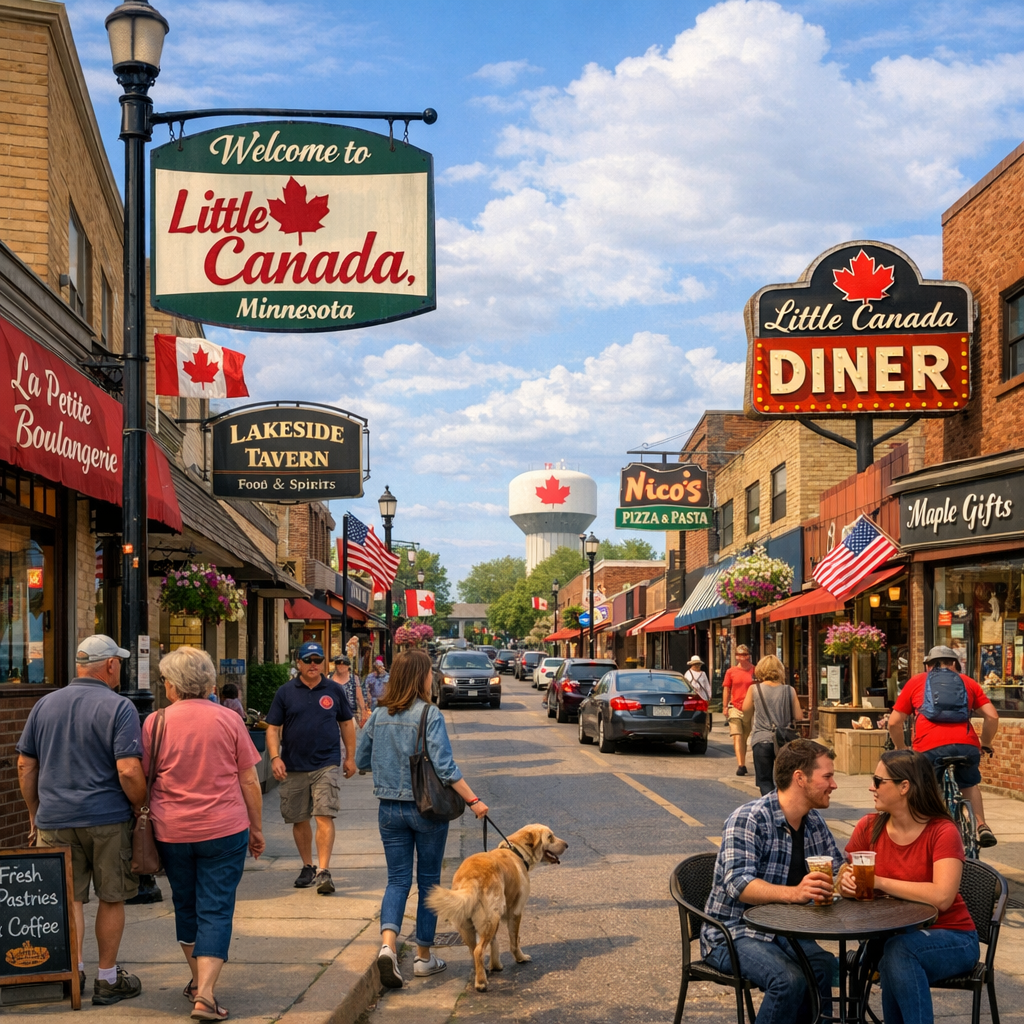
Little Canada, a city nestled just north of downtown Saint Paul, boasts a rich history and a vibrant economic landscape. With a population of approximately 10,590 residents, the city combines small-town charm with the conveniences of urban proximity.
Key Industries and Employment
The local economy is diverse, with several industries playing pivotal roles:
- Health Care & Social Assistance: Employing around 1,003 individuals, this sector stands as the largest employer in the city.
- Retail Trade: Approximately 715 residents work in retail, contributing significantly to the local economy.
- Manufacturing: This industry provides employment to about 578 individuals, underscoring the city’s industrial base.
Notably, the professional, scientific, and technical services sector offers the highest average salaries, with professionals earning an average of $132,615 annually.
Local Businesses and Economic Development
Little Canada is home to a mix of established corporations and thriving small businesses. Notable companies include St. Jude Medical, a global medical device manufacturer, and Slumberland Furniture, a major retail chain. The city also supports a vibrant small business community, featuring a range of local shops, restaurants, and service providers.
In terms of economic development, Little Canada offers a variety of incentives to attract and support businesses. The city’s strategic location, with easy access to major highways and proximity to the Minneapolis-Saint Paul International Airport, enhances its appeal for business operations.
Housing Market and Income Levels
The housing market in Little Canada is competitive. As of March 2026, the median sale price of a home was $340,000, reflecting a slight decrease of 1.6% compared to the previous year. Homes typically sell after an average of 70 days on the market.
Regarding income, the median household income in 2024 was $77,957, with a per capita income of $47,953. These figures indicate a stable economic environment for residents.
Conclusion
Little Canada’s economic landscape is characterized by a diverse industrial base, a supportive environment for businesses, and a competitive housing market. The city’s strategic location and commitment to preserving its heritage make it an attractive place for both residents and businesses.