

The United States economy is currently experiencing a complex interplay of factors influencing growth, inflation, and public sentiment. Recent data indicates a nuanced economic environment that warrants attention.
Inflation and Energy Costs
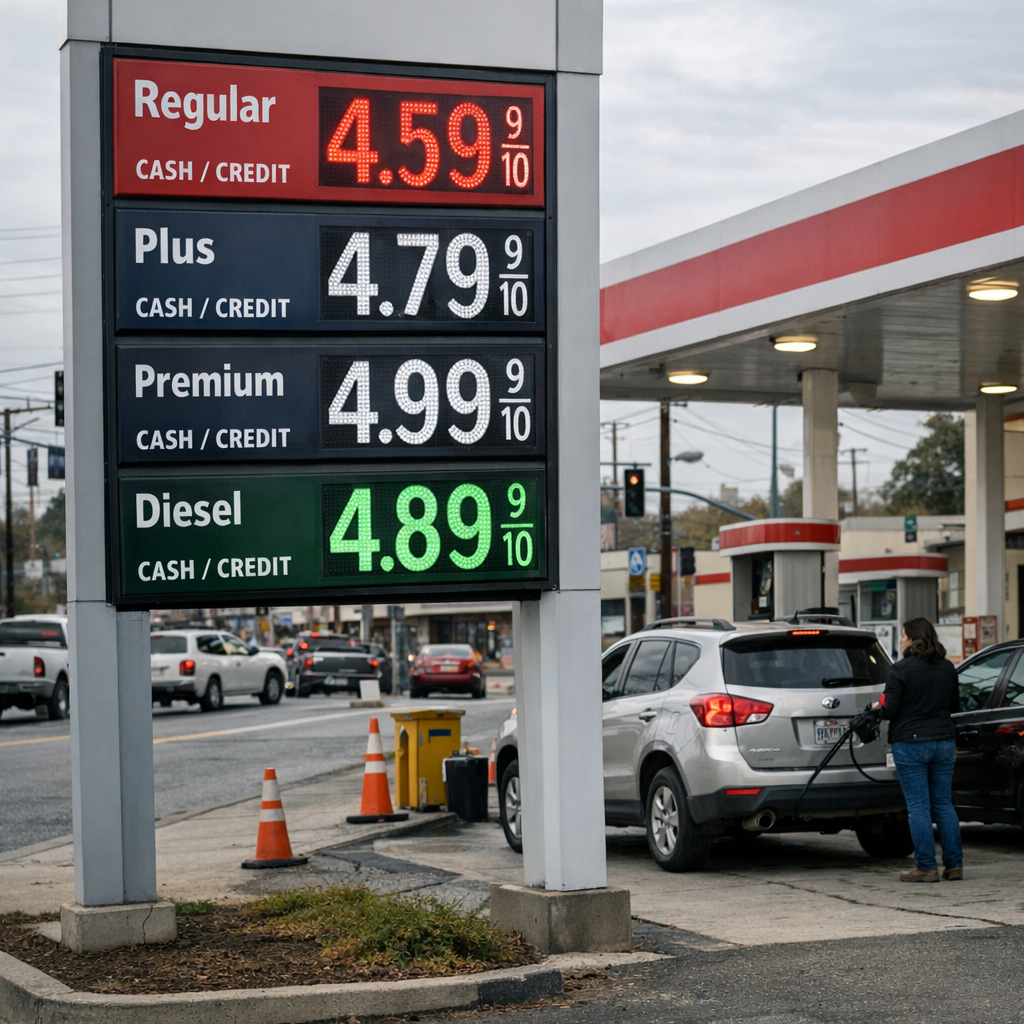
Inflation has been a persistent concern, with rates reaching 3.8% in April, marking the highest level in three years. This uptick is largely attributed to escalating energy costs following geopolitical tensions. The closure of the Strait of Hormuz has led to a surge in energy prices, with national average gas prices exceeding $4.50 per gallon and some states reporting prices above $5. This increase has placed additional financial strain on consumers and businesses alike.
Public Sentiment and Economic Policies
Public dissatisfaction with current economic policies is evident. A recent CBS News/YouGov poll reveals that 70% of Americans feel “angry” or “frustrated” about the administration’s handling of the economy. Only 11% expressed enthusiasm, and 19% reported satisfaction. This sentiment reflects growing concerns over the effectiveness of current economic strategies and their impact on everyday life.
Federal Reserve’s Stance
The International Monetary Fund (IMF) has described the U.S. economy as “buoyant,” projecting a growth rate of 2.4% in the fourth quarter of 2026. However, the IMF also warns of risks associated with rising federal budget debts. In response, the Federal Reserve has adjusted its benchmark interest rate to 3.4%, down from 3.6%, aiming to balance economic growth with inflation control.
Looking Ahead
As the nation navigates these economic challenges, it is crucial for policymakers to address the underlying issues contributing to inflation and public dissatisfaction. Strategies focusing on stabilizing energy markets, managing federal debt, and implementing effective economic policies will be essential in fostering a more resilient and prosperous economy.